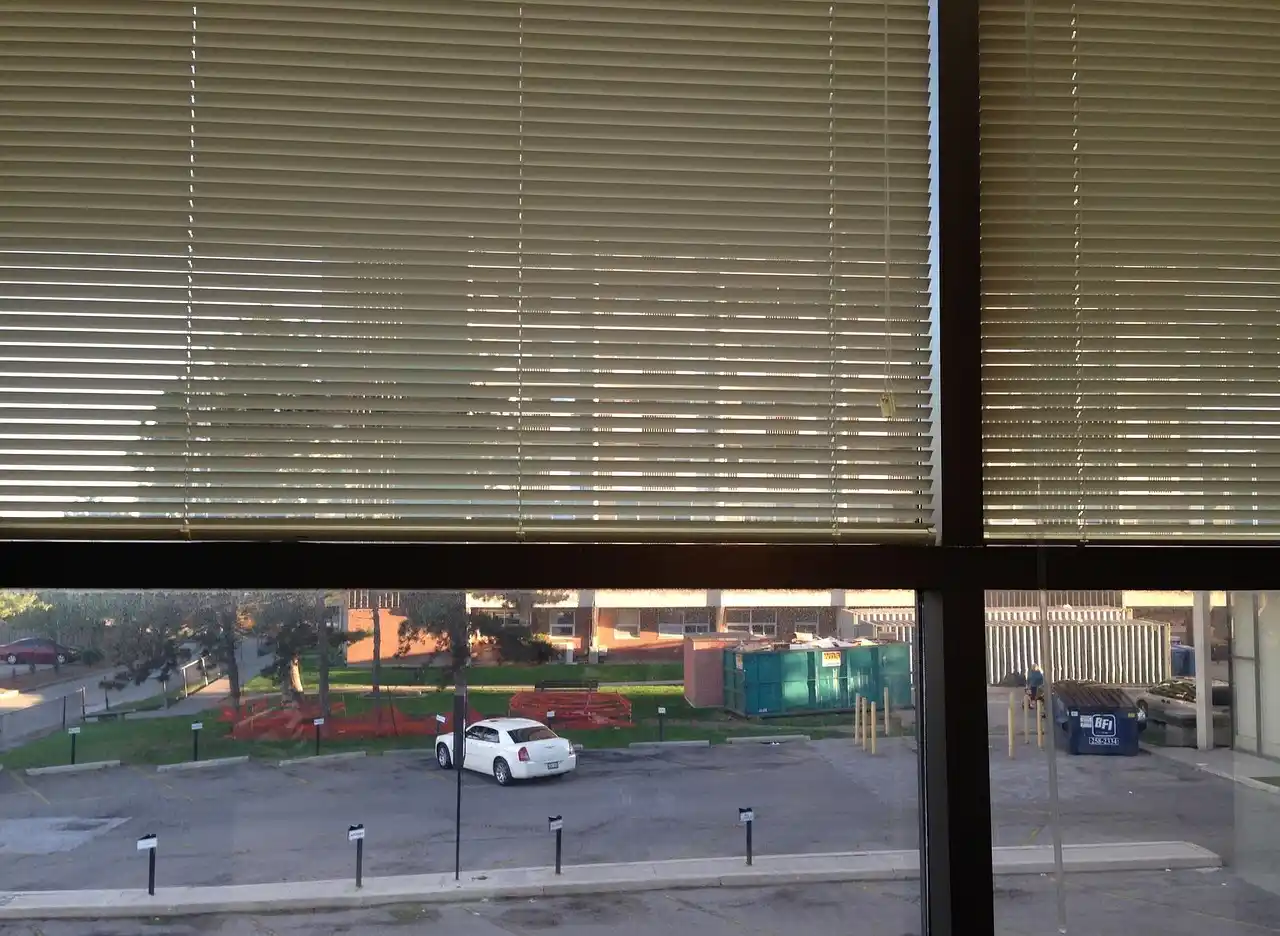
Introduction to Home Window Repair
Home window repair is a common task for homeowners who want to improve comfort, energy efficiency, and security. By understanding typical failure modes and safe repair practices, you can extend the life of your windows and avoid costly replacements. This guide blends practical DIY steps with professional considerations to help you diagnose issues, choose the right parts, and know when to hire a licensed contractor.
Common window problems
Windows age, seals degrade, and hardware wears out. Common problems include exhausted weatherstripping leading to drafts, stuck or hard-to-operate sashes, cracked glass, condensation between panes, and noisy or rattling frames. Each issue has a different solution scope—from simple weatherstripping replacement to more complex sash or seal repairs.
Leaking or degraded seals
Low-performance seals allow air exchange and moisture ingress. Replacing weatherstripping and glazing seals can often restore efficiency, but if the glass is double-pane and the seal is broken between panes, replacement of the insulated unit might be necessary.
Sash that sticks or won’t stay open
This usually results from dirt in tracks, worn balances, or damaged hardware. Cleaning tracks, lubricating with a silicone-based spray, and replacing worn balance springs or sash guide stops can restore smooth operation.
Cracked or broken glass
Cracks pose safety and energy problems. Small chips can be filled or repaired in some cases, but large cracks and tempered-glass windows typically require replacement by a pro to ensure safety and code compliance.
Drafts and energy loss
Air leaks around frames or poor glazing can raise heating and cooling costs. Address by sealing gaps, upgrading weatherstripping, and considering Low-E glazing or more efficient seals.
DIY vs. professional repair
DIY fixes are suitable for basic maintenance and minor repairs, especially for common sashes and weatherstripping. However, safety, warranties, and glass integrity often justify hiring a licensed window specialist for frame reconstruction, glass replacement, or structural issues. When in doubt, obtain at least two quotes and verify licenses and insurance.
Step-by-step guide: Basic repairs you can do
- Assess the problem: take clear photos, test operation, and note weather conditions.
- Gather tools: putty knife, flat-head screwdriver, pliers, a silicone-based lubricant, replacement weatherstripping, and safety gear.
- Address weatherstripping: remove old strips and install new ones that fit the window type (vinyl, wood, or aluminum).
- Lubricate and clean tracks: remove debris, wipe with mild cleaner, and apply a light silicone spray to moving parts.
- Test operation and adjust hardware: if using balance springs or pivot bars, adjust per manufacturer instructions; avoid over-tightening screws.
Tools and materials
Common items include replacement weatherstripping, glazing points, putty, a utility knife, silicone sealant, lubricant, a flat bar, and safety gear. Always match parts to the window type and manufacturer guidelines.
Costs and when to replace
Typical repair costs range from $100 to $300 for weatherstripping or hardware, with glass repairs potentially higher. If framing is warped, sashes are rotted, or multiple panes fail, replacement may be more cost-effective than repair. Compare repair costs against replacement options and energy savings over time.
Maintenance tips to extend life
Clean tracks monthly, inspect seals seasonally, lubricate hinges, and check glass for chips. Use storm windows or films in harsh climates, and consider upgrading to energy-efficient double- or triple-pane units if the budget allows. Regular maintenance reduces the risk of sudden failures and protects home value.
Comparison: DIY vs Professional repair
| Aspect | DIY | Professional |
|---|---|---|
| Cost | Lower upfront, parts only | Higher upfront, includes labor |
| Risk | Minor injuries or improper repair | Warranty, safety, code-compliant work |
| Time | Can be quick for small fixes | Longer due to scheduling |
| What to fix | Seals, tracks, hardware | Glass replacement, structural frame issues |
Note: This article reflects standard practices for residential windows and is intended for informational purposes. Always follow safety guidelines and manufacturer instructions, and consult licensed professionals for major repairs, structural issues, or glass replacement.
Conclusion, by focusing on accurate diagnosis, careful maintenance, and appropriate use of parts, homeowners can extend window life, improve energy efficiency, and preserve home value. Start with simple fixes, know when to call a pro, and document work for warranties and future repairs.