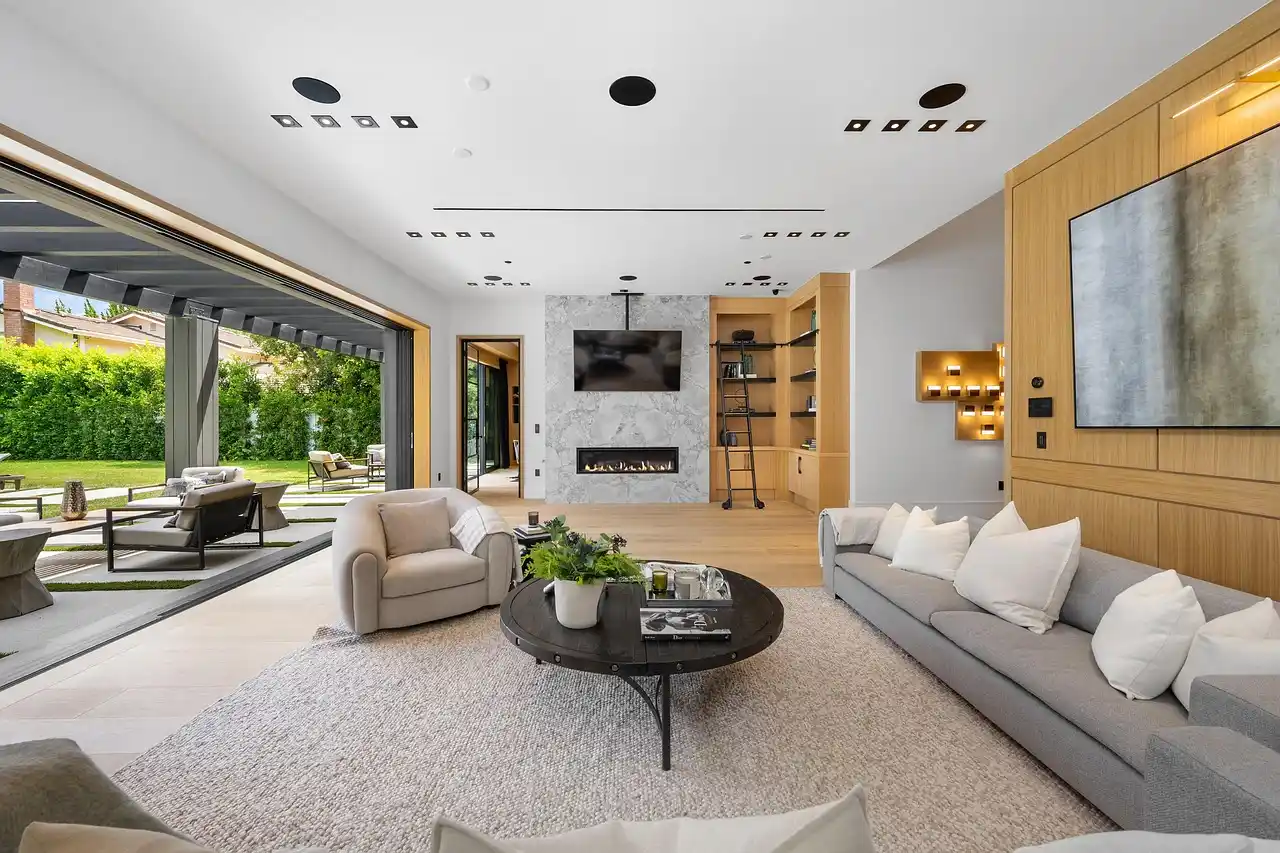
Home window tinting is a practical upgrade for residential settings, designed to reduce heat, block UV rays, and enhance privacy. Modern tint films are engineered to be durable, safe, and aesthetically appealing, with options that complement any architectural style.
Understanding the benefits
Key benefits include energy savings, interior protection from fading, glare reduction, and improved comfort in rooms exposed to strong afternoon sun. By reflecting or absorbing infrared heat while letting visible light pass, window films help maintain a stable indoor temperature.
Types of window tint for homes
Dyed window tint
Dyed films use a layer of pigment to reduce heat and glare. They are cost-effective and easy to install but can fade over time and may not offer the strongest UV protection.
Metalized (reflective) tint
Metalized films reflect heat with metallic particles. They can add reinforcement to the glass and reduce glare, but may interfere with electronics and cause a reflective look in bright light.
Ceramic tint
Ceramic films are among the most advanced, offering excellent heat rejection, strong UV protection, and minimal interference with signals. They are typically more expensive but preserve color and clarity.
Carbon tint
Carbon-based films provide good heat rejection and a more matte appearance. They resist fading well and do not show a metallic shimmer, offering a balanced option for aesthetics and performance.
How to choose the right tint
- Consider the climate: hotter regions benefit from higher heat rejection.
- Decide on the level of privacy and light transmission (VLT). Higher VLT = more natural light; lower VLT = more privacy and darker interiors.
- Check local regulations: some areas restrict the darkest shades on front windows.
- Factor in warranty and maintenance: professional installation often includes warranties and ensures proper adherence.
DIY vs professional installation
While DIY kits exist, professional installation ensures precise measurement, bubble-free application, and a proper seal. A licensed installer can assess glass type, edge lift, and adhesion, and provide accurate heat-rejection data for your home project.
Maintenance and longevity
To extend tint life, clean with non-ammonia cleaners and soft cloths. Avoid abrasive scrubbing, which can scratch the film. Regular inspection helps detect edge lifting or peeling early.
Cost and return on investment
Prices vary by film type, window size, and labor. Typical residential tint projects can range from a few hundred to a couple thousand dollars, with ROI in energy savings, furniture protection, and increased comfort.
Comparison of tint types
| Type | Heat Reduction | UV Protection | Glare Reduction | Durability | Typical Cost |
|---|---|---|---|---|---|
| Dyed | Moderate | Moderate | Moderate | Low to Medium | Low |
| Metalized | High | High | High | Medium | Medium |
| Ceramic | Very High | Very High | Low glare | High | High |
| Carbon | High | High | Medium | High | Medium to High |
What to ask a professional
Request product datasheets, warranty details, and a visual demonstration of tint shades using a sample film. Verify that the installer follows manufacturer guidelines and local regulations.
Conclusion
Conclusion, choosing the right home window tinting solution aligns comfort, privacy, and energy savings with your climate and home design. By weighing tint types, considering VLT, and selecting a licensed installer, you maximize performance and value over time.